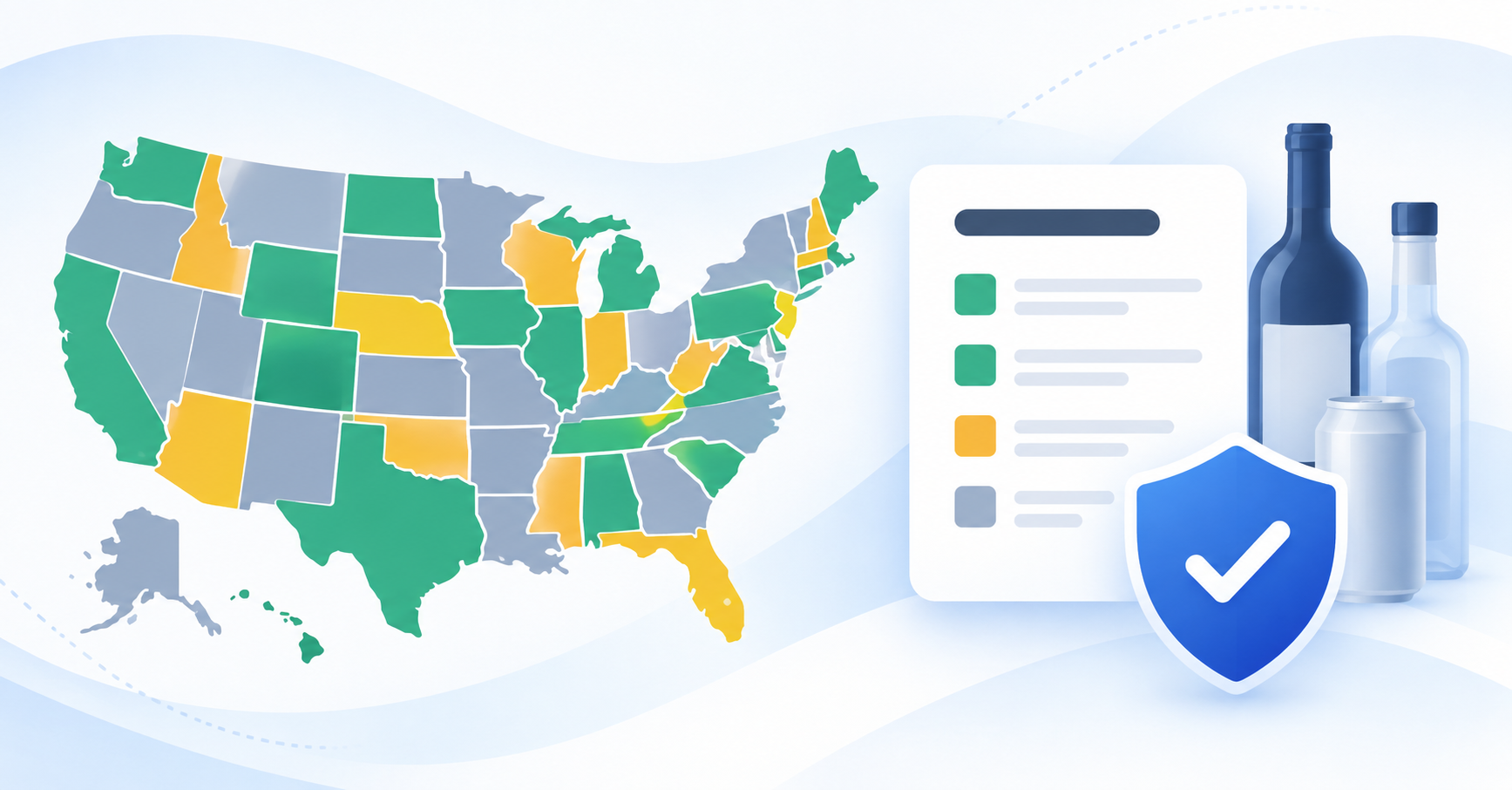
Every consumer packaged goods category runs rebates. Alcohol is the one where the marketing team has to check with a lawyer first, and the reason is structural rather than moral. It goes back to how the country rebuilt the liquor business after Prohibition.
When Prohibition ended in 1933, the United States built a deliberate wall between the companies that make alcohol and the stores that sell it. Suppliers sell to wholesalers, wholesalers sell to retailers, and only retailers sell to the public. That is the three-tier system, and it exists to prevent the pre-Prohibition arrangement where a producer effectively owned a bar's shelf.
The rules that enforce that wall are called tied-house laws. In plain terms, a supplier or wholesaler cannot give something of value to a retailer to induce them to buy or feature a product. New York's State Liquor Authority states it directly: manufacturers and wholesalers are prohibited from giving something of value to retailers to induce the retailer to buy their product.
The second thing to understand is that the 21st Amendment left alcohol regulation to the states. Federal tied-house rules under the FAA Act set a floor, not a ceiling. An activity that is perfectly legal federally can still violate state law and draw enforcement from a state liquor control board.
**The line that matters:** a consumer rebate pays the shopper. A trade incentive pays the store. Tied-house law is aimed at the second one. That distinction is why cash-back rebates are permissible in most of the country while paying a retailer for shelf placement is not.
This is where most planning assumptions break. Brand teams tend to think of a rebate as one thing. Regulators do not. The mechanism of payment, and specifically whether the retailer touches the discount at the register, changes the legal analysis.
An instant redeemable coupon reduces the price at checkout, which means the retailer is administering it and is typically reimbursed. Depending on the state, that reimbursement can look like a payment from a supplier to a retailer. A mail-in or digital rebate pays the consumer directly after purchase, and the retailer is not part of the transaction at all.
Decide the payout mechanism before the creative, because instant versus post-purchase determines where you can run. Assume the footprint is not national. Check for value caps. Keep the money away from the retailer. Confirm age-gating. And re-check annually, because these rules change.
**Not legal advice.** This article describes general regulatory structure and cites two specific state rules current as of publication. It is not a substitute for review by counsel or confirmation with the relevant state authority. Confirm before you commit spend.